
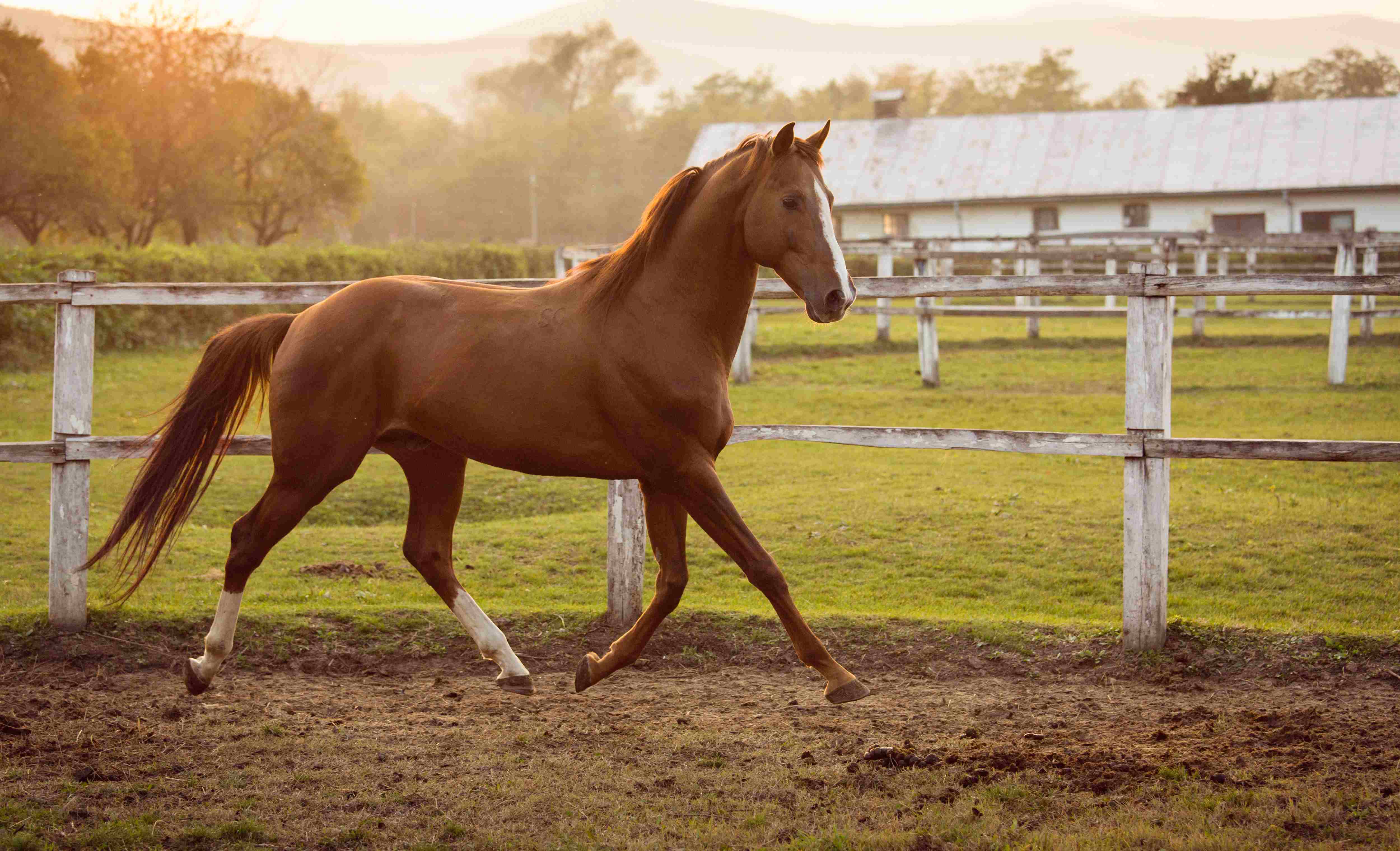
More Than Just Acreage: What Makes a Real Estate Property
Truly "Horse Friendly"?
Dreaming of a property where your equine companions can
thrive? When searching for a "horse friendly" real estate listing,
it's about much more than just a large plot of land. While acreage is certainly
a starting point, a truly equestrian-ready property encompasses a thoughtful
design and essential features that prioritize the health, safety, and
well-being of horses, while also making management easier for their owners.
So, what should you look for beyond the fence line?
1. Adequate and Usable Acreage: The general rule
of thumb is 1.5 to 2 acres per horse for grazing, though this
can vary depending on the quality of pasture and climate. More important than
just the total number of acres is the usability of the land.
Is it mostly flat or gently sloped? Is there good drainage to prevent muddy,
slippery conditions that can lead to injuries and health issues? Properties
with a mix of pasture and drier areas (like a "sacrifice paddock")
allow for rotational grazing, which helps maintain pasture health and prevents
overgrazing.
2. Safe and Secure Fencing: This is paramount
for horse safety. Avoid barbed wire, which can cause severe injuries. Look for
sturdy, highly visible fencing options like wood, vinyl, or woven wire
(like 2x4 no-climb). The fence should be at least 5 feet high, and double
fencing can be a great asset for managing different groups of horses or
preventing nose-to-nose contact.
3. Essential Horse Structures:
- Barn
or Shelter: Horses need protection from the elements. This can
range from a simple three-sided run-in shed for shade and windbreak to a
full barn with individual stalls. Stalls should be adequately sized (12x12
feet is standard for an average horse, larger for drafts),
well-ventilated, and have safe, durable materials without sharp edges or
protrusions.
- Tack
Room and Feed Storage: Secure, dry, and organized spaces for
saddles, bridles, feed, and supplements are crucial. Separate storage for
hay, protected from moisture, is also vital.
- Wash
Rack/Grooming Area: A dedicated space with good drainage for
washing and grooming horses adds immense convenience.
- Equipment
Shed/Trailer Storage: A place to store trailers, tractors, and
other farm equipment keeps the property tidy and functional.
4. Reliable Water Access: Horses drink 5-15
gallons of water daily. A reliable, clean water source is non-negotiable. Look
for properties with piped water systems to barns and pastures, or consider
options like frost-proof hydrants and automatic waterers for year-round access
and reduced labor. While natural water sources like ponds might exist, a
primary clean water supply is always recommended.
5. Pasture and Land Management: Healthy pastures
require management. Consider if the property shows signs of good pasture
rotation, weed control, and manure management. A designated area for composting
or storing manure away from water sources is a huge plus, as it prevents environmental
contamination and controls flies and odors.
6. Riding Areas and Trail Access: For many horse
owners, riding is key. Properties with an existing riding arena (indoor
or outdoor) with proper footing and drainage, a round pen,
or direct access to private or public riding trails (like
National Forest land) significantly enhance the property's value and appeal.
7. Zoning and Regulations: Before falling in
love with a property, always verify local zoning ordinances. These
dictate whether you can keep horses, how many, and what types of structures are
permitted. Understanding these regulations beforehand can save significant
headaches.
Ultimately, a "horse friendly" property is one
that allows for the safe, healthy, and happy keeping of horses, while also
offering the practical amenities that make horse ownership a joy rather than a
constant chore. It's an investment in a lifestyle, where both horse and rider
can thrive.